Dr. Heather Waters
Program Director
Menika McKeegan
The Niagara region offers a diversity of family medicine sites, from small town communities to more urban centres. Core specialty training takes place at Niagara Health, St. Catharines Site.
Family medicine training in year one includes integrated blocks for most rotations, providing opportunities for increased continuity of care throughout the year, and for newfound knowledge from specialty rotations to be immediately applied in family practice settings. Integrated block rotations in year one include: Family Medicine + Emergency Medicine, Family Medicine + Obstetrics and Gynecology, and Family Medicine + Pediatrics. Block experiences that are exceptions to the integrated format in year one include the Internal Medicine and Pediatric clinical teaching units.
Family medicine training in year two is block-based, allowing for flexibility in scheduling core medicine surgery options and electives. Core medicine surgery options currently offered in Niagara are: palliative care, oncology, intensive care, surgery, and hospitalist.
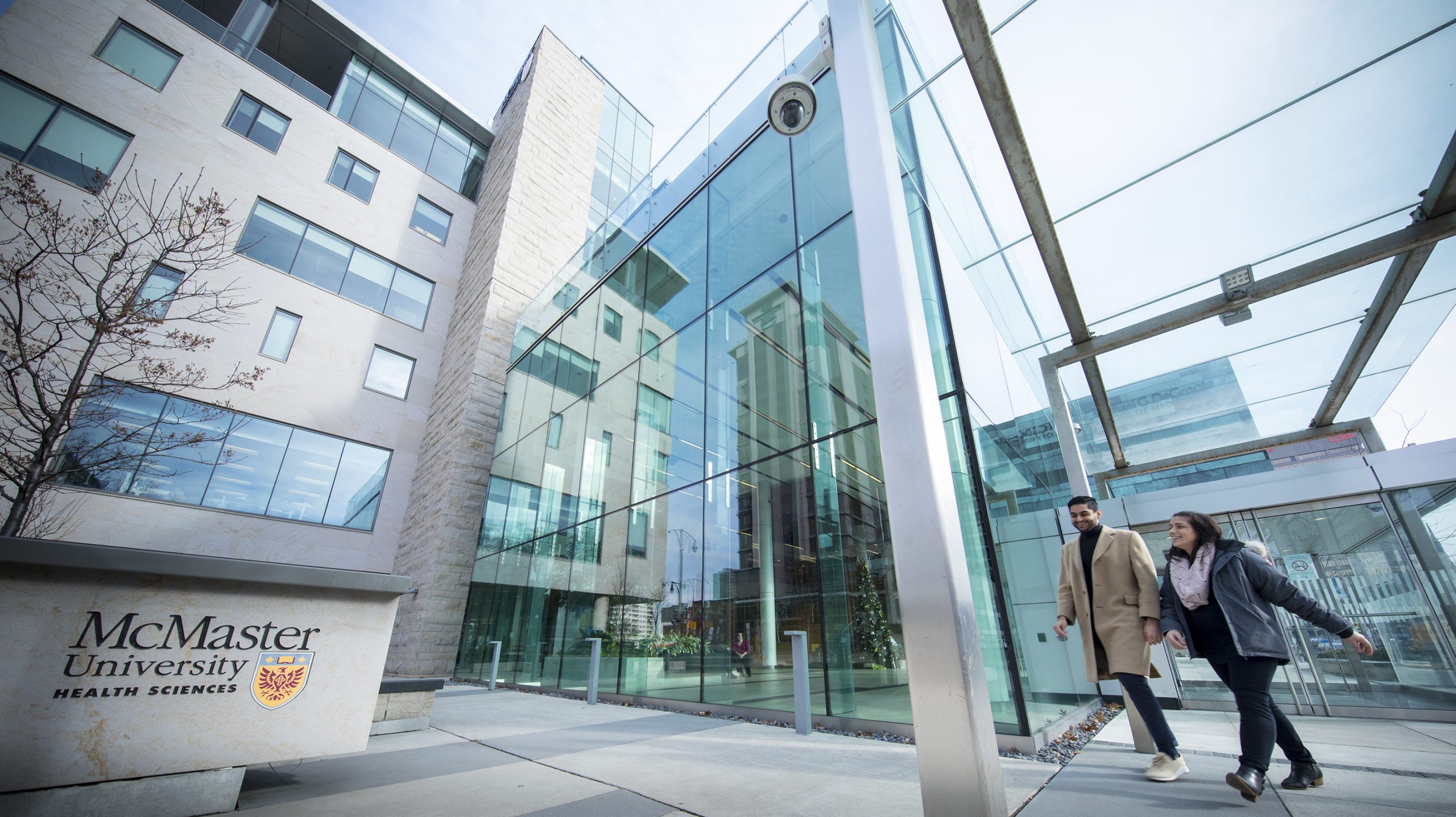
Sharing a campus and hospital site with the Niagara Regional Campus of McMaster University’s Michael G. DeGroote School of Medicine provides many teaching opportunities for interested residents, including teaching clinical skills, clerkship orientation, and clinical teaching on specialty rotations. While residents enjoy a culture of learning, they are also the largest resident group in Niagara, with many hands-on and experiential learning opportunities, in addition to leadership and teaching opportunities, available on rotation. There are also several research opportunities available to residents through the Niagara Regional Campus.
For more information on the unique characteristics of the municipalities within Niagara, see Niagara Region Municipalities and click on the links to view more information. Current municipalities with resident placements in Niagara include: Lincoln, Niagara Falls, Port Colborne, St. Catharines, Thorold, and Welland.
Key Info:
Academic Hub: Niagara Regional Campus (NRC)
Ontario | |||
|---|---|---|---|
Effective July 1, 2025 | |||
PGY1 | $73,367.35 | ||
PGY2 | $79,669.97 | ||
PGY3 | $85,564.01 | ||
PGY4 | $92,700.65 | ||
PGY5 | $98,566.96 | ||
PGY6 | $104,167.39 | ||
PGY7 | $109,250.12 | ||
PGY8 | $115,826.24 | ||
PGY9 | $120,082.47 | ||
Professional Leave | 7 working days/year Additional time off provided for writing any CND or US certification exam, leave includes the exam date and reasonable travel time to and from the exam site. Additional RCPSC & CFPC Certification Examination Prep Time
|
Annual Vacation | 4 weeks |
Meal Allowance | No |
Frequency of Calls | 1 in 4 In-hospital, 1 in 3 home |
Pregnancy Leave | 17 weeks |
Parental Leave | 35 weeks, 37 weeks if resident did not take pregnancy leave |
Supplemental Unemployment Benefit (SUB) Plan | Top-up to 84% 27 weeks for women who take pregnancy and parental leave; 12 weeks for parents on stand-alone parental leave. |
Provincial Health Insurance | Yes |
Extended Health Insurance | Yes |
Provincial Dues (% of salary) | 1.3% |
Dental Plan | 85% paid for eligible expenses |
CMPA Dues Paid | Under current arrangements, residents are rebated by Ministry of Health and Long Term Care for dues in excess of $300. |
Long-Term Disability Insurance | Yes – 70% of salary, non-taxable. |
Statutory and Floating Holidays | 2 weeks leave with full pay and benefits; 10 stat days plus 1 personal floater. Residents are entitled to at least 5 consecutive days off over the Christmas or New Year period, which accounts for 3 statutory holidays (Christmas Day, Boxing Day and New Years Day), and 2 weekend days. |
Life Insurance | Yes, 2x salary |
Salary and Benefit Continuance | A resident that can’t work due to illness or injury will have salary and benefits maintained for 6 months or until end of appointment (whichever occurs first) |
Call Stipend | Regular: $127.60 in-hospital; $63.80 home call or qualifying shift on shift-based services. Weekend premium: $140.36 in-hospital; $70.18 home call or qualifying shift on shift-based services. |
Updated January 6, 2025
Visit the PARO website.
www.myparo.ca