Contact

Dr. Jessica Trier

Program Director

Kaitlyn Cats

Program Administrator
Application Details

Canadian Medical Graduates

1 Available Spots

Events Calendar

Upcoming Events
There are no events at this time.
Upcoming Events From
Queen's University
There are no events at this time.

Program Highlights

Quick Facts

Our program offers junior PM&R rotations in the Foundations of Discipline stage, and longer senior PM&R rotations in the Core of Discipline stage. Although not required by the Royal College of Physicians and Surgeons of Canada, this spiral curriculum allows graduated progression of responsibilities, as well as spaced repetition to consolidate rehabilitation knowledge.

The program includes a particular focus on Clinical EMG training that meets the six-month training requirement for EMG certification on completion of the program.

Longitudinal academic coaching is provided throughout residency training.

Funding is available to attend relevant national and international conferences.

We are a collegial group of faculty and residents. We work at Canada’s newest rehabilitation hospital, which is located on Lake Ontario.

Residents are provided the opportunity for community rehabilitation rotations outside the academic medical centre. Our goal is to train physiatrists who can pursue any type of career, from community practice to academic practice.

Residents have first on call responsibilities Monday through Thursday, with the exception to statutory holidays. Hospitalist physicians are first on call on Friday, Saturday and Sunday and on statutory holidays.
Read more

General Information

This residency program is 5 years long.

The Queen’s University Physical Medicine and Rehabilitation program is a fully accredited program, which meets the training requirements of the Royal College of Physicians and Surgeons of Canada. The program is structured with a mix of block and longitudinal components.

Please refer to the CaRMS program description page for more details about the rotations and stages of training: https://meds.queensu.ca/source/FHS%20PME%20Phys%20Med%20and%20Rehab%20Brochure%202020.pdf

Program Overview

The Physical Medicine and Rehabilitation Residency (PM&R) postgraduate training program is five years in length. Residents complete their first two blocks in Transition to Discipline, learning “Rehab Basics.” Foundations of Discipline (FD) is primarily off-service, but residents will have rotations in core PM&R areas as well. In Core of Discipline (CD), residents revisit these core PM&R rotations as a senior resident. Going through the rotations twice allows for graduated responsibility and independence, and consolidation of knowledge from other off-service rotations such as Rheumatology, Neurology, and Orthopedic Surgery.

During PM&R rotations, residents will participate in longitudinal rehabilitation clinics, such as Neuromuscular Rehabilitation and Prosthetics and Orthotics (P&O). Residents complete 1 block of Pediatric Rehabilitation and 1 block of P&O in Ottawa. Residents complete 6 blocks of EMG, which affords the opportunity to meet the CSCN (EMG) examination requirements.

The Transition to Practice (TP) stage allows residents to focus on career planning and preparation for independent practice. Residents in the TP stage are given opportunities to function as a junior attending, with enhanced responsibilities equivalent to those of a consultant in PM&R.

*Rotation order may vary due to scheduling conflicts and rotation availability.

Funding is provided on an annual basis for educational leave to attend conferences and courses.


Training Sites

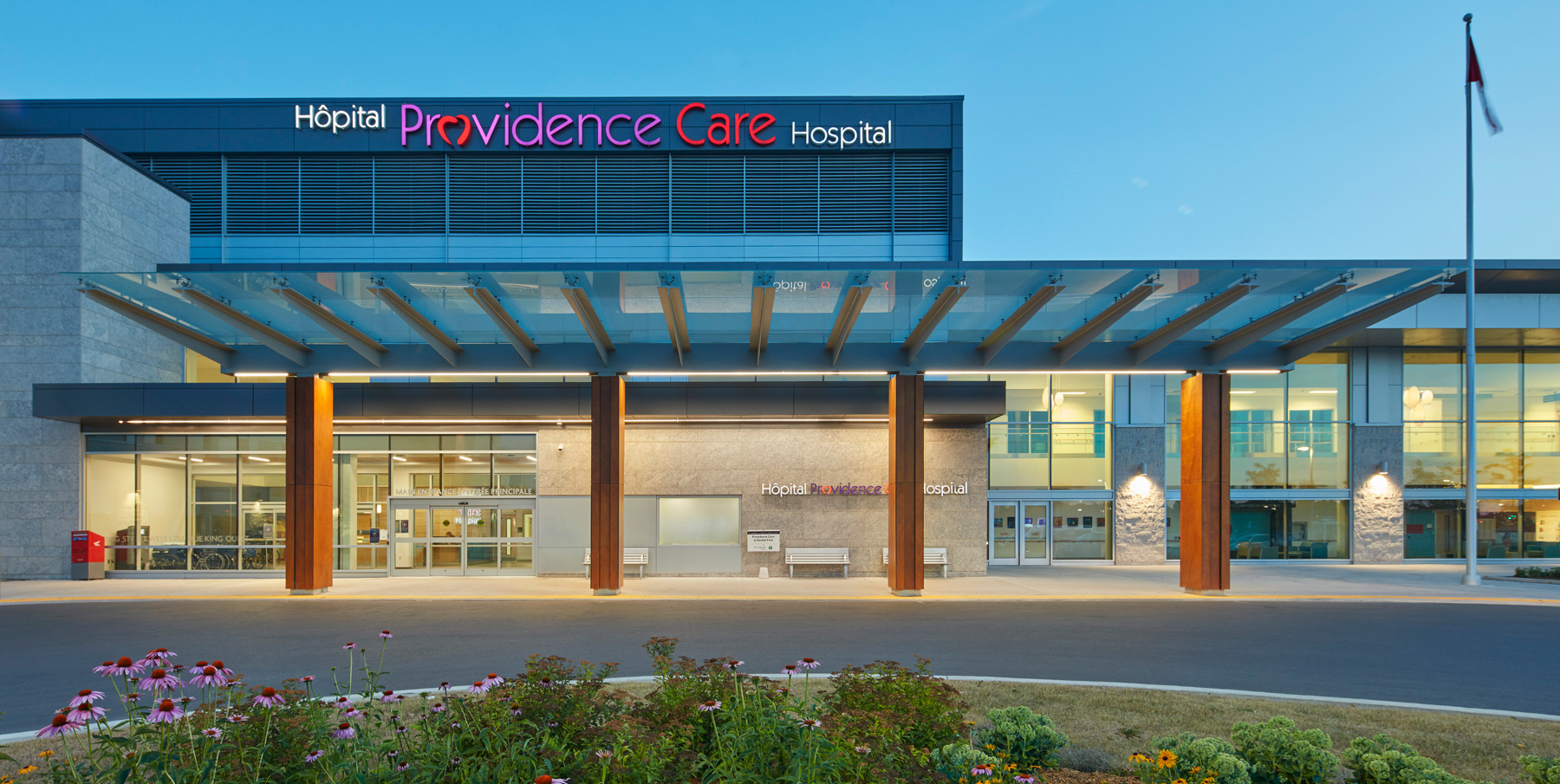
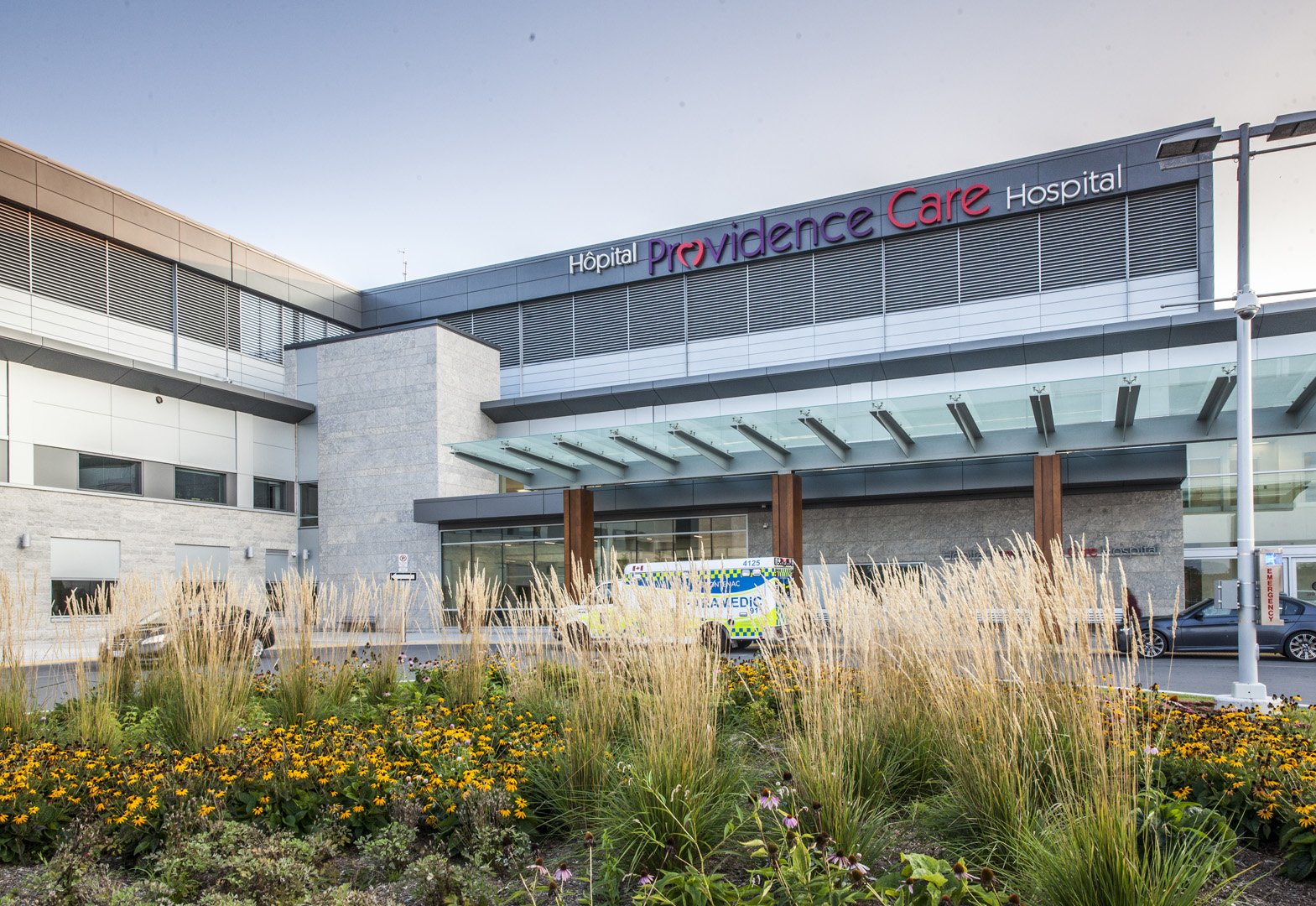
Providence Care Hospital is a subacute hospital that includes rehabilitation, geriatrics, complex medical, palliative care, and mental health. Within this hospital, there are 60 rehabilitation bed across 2 units. There are outpatient clinics, an EMG lab, and a full complement of allied health care professionals. This new state of the art health care facility is the site of all inpatient and outpatient rehabilitation services since April 2017. This new site has significantly enhanced the clinical, education, and research experiences of residents.

Kingston Health Sciences Centre, Hotel Dieu Hospital site, Kingston: medicine, surgery, neurology and pediatric ambulatory clinics.

Kingston Health Sciences Centre, Kingston General Hospital site: acute-care inpatient services.

University of Ottawa (Affiliation Agreements) for 1 block Pediatric Rehabilitation rotation at the Children’s Hospital of Eastern Ontario (CHEO) and 1 block of Prosthetics and Orthotics.

Affiliation agreements also exist with the University of Ottawa and the University of Toronto for Cardiac Rehabilitation.

There are options in multiple locations across Ontario for community rehabilitation rotations. Residents may choose to do electives outside of Ontario, depending on their career goals.

Resources

All residents are provided with a Queen’s email address, internet access, and dedicated office space with computers. On-site library facilities include a small departmental library containing print and medical resources and an excellent hospital library with knowledgeable staff. The Health Sciences Library on the Queen’s University campus has additional resources with knowledgeable librarians.

Read more

Salary Information

Post graduate salaries and benefits differ by province and are determined by two things: your training year, and the province you work in. See below the salaries and benefits for Queen's University - Physical Medicine & Rehabilitation - Kingston.
Read more

Explore Location

Aerial view of the Kingston harbour front and cityscape
Kingston
History innovation thrive in our dynamic city located along the beautiful shores of Lake Ontario, an easy drive from Toronto, Ottawa and Montreal, in the heart of eastern Ontario. With a stable and diversified economy that includes global corporations, innovative startups and all levels of government, Kingston’s high quality-of-life offers access to world-class education and research institutions, advanced healthcare facilities, affordable living and vibrant entertainment and tourism activities.

Resident Experience

Victoria Jackman
PGY-1
In your opinion, what are the highlights of your program?
Our faculty are passionate about medical education and deeply invested in resident learning. Our Program Director, Dr. Jessica Trier, holds a Master’s in Health Professions Education, and her research in psychological safety shapes the way feedback, coaching, and wellness are prioritized in our program. The faculty bring diverse expertise, with fellowship training in interventional pain, stroke, spinal cord injury, and neuromuscular medicine, as well as credentials in EMG, sport medicine, and lifestyle medicine. Residents gain excellent interventional pain exposure through the Kingston Orthopedic Pain Institute, and we are supported in tailoring training to align with our individual career goals. Our training also extends beyond Kingston: one pediatrics block and one amputation rehabilitation block are completed at another centre, most often in Ottawa or Toronto, which broadens our experience. Residents are also supported in pursuing out-of-province electives, further expanding our PM&R network. The program invests in its residents through strong academic and administrative support. Kaitlyn Cats, our program administrator, is exceptionally responsive and organized, while our educational consultant, Tessa Hanmore, provides dedicated guidance in curriculum, assessment, and competency-based medical education. Being part of Queen’s also means access to a beautiful campus rich with resources, including seven libraries and many study spaces. My favourite is the historic 1920s reading room.
The best aspects have included my wonderful co-residents! In the Transition to Discipline stage, the program is structured so that I was paired with a senior resident on both rotations who provided exceptional mentorship. We also have a buddy-call system during the first two blocks which helps build confidence and ease the transition into independent call. We learn directly from each other through resident lead Academic Half Day and our summer anatomy lab teaching sessions. My co-residents are always there to support one another, covering half-day schedules, swapping call, and checking in over our group chat.
The community is welcoming, open-minded, and respectful, with residents and staff on a first-name basis. Our Program Director, Dr. Trier, fosters open-door culture that encourages residents to share ideas or concerns and advocates for resident’s feedback to be incorporated into the program. Alumni also remain connected to the program, further strengthening the sense of community.
I love taking advantage of what Kingston has to offer. I swim in Lake Ontario during the summer, skate at Market Square in the winter, and enjoy walking my dog Champ along the city’s scenic waterfront trails and parks. Kingston has a vibrant atmosphere, with farmers’ markets, live music, boutique gyms, and cozy cafés and study spaces to explore. I’ve also built friendships across other residency programs at Queen’s and enjoy spending time with my extended residency community. With its historic downtown, lively cultural events, and beautiful waterfront, Kingston is not only a wonderful place to live and train but also a city that makes family and friends feel instantly welcome when they visit.
A culture of wellness is supported through program structures, faculty leadership, peer support, and the training environment itself. From the very beginning, it is emphasized during orientation and reinforced through a Monday–Thursday call schedule with protected weekends, as well as wellness resources available on SharePoint. Faculty also play an active role, with leaders such as Dr. Askari, who is board certified in lifestyle medicine and involved in Queen’s “Healthy People, Healthy Planet” initiative, creating opportunities like the resident garden at Providence Care, a space that has become both restorative and a point of connection. Peer wellness is fostered informally through this community space and through the culture of residents supporting one another. The physical environment also contributes: Providence Care Hospital is a modern facility filled with natural light, with an on-site gym we can use and the location at Lake Ontario Park where I often take time to walk along the water at lunch. Together, these layers create a program where wellness is truly part of both the culture and the everyday experience of residency.
I am looking forward to advancing my resident research and collaborating with colleagues across Queen’s. The off-service rotations are excellent, with Internal Medicine recently recognized with the PARO Residency Program Excellence Award, and I am eager to continue strengthening my clinical foundation through these experiences. I am also excited to expand my role as a mentor to medical students and to take on leadership opportunities that will allow me to contribute more broadly to the residency community.

Frequently Asked Questions

As a smaller centre, here you are your name, not a student number.  We treat each other with respect and dignity, and work well together.  We are here to help you grow into the Physiatrist you’ve dreamed of being!

Kingston has many advantages with regards to quality of life, cost of living, and ease of movement within the city.

Kingston is known for its many recreational opportunities including some of the best fresh water sailing in the world, wilderness parks, an active triathlon community, rowing, exceptional restaurants, and an active theatre and music scene, to name a few. For those with a family, it is an ideal environment to raise children with many excellent schools. It is only a short drive to Ottawa, Toronto, Montreal, and Syracuse. Past residents have found time to enjoy the richness of life outside of medicine that Kingston has to offer while completing their clinical training.