


Dr. Megan Cashin
Program Director
Jennifer Moran
It is clear that excellent training is available at all Canadian orthopedic surgery residency programs; however, there are a number of aspects of our program that make us stand out.
Our program accepts 3 – 4 residents per year and typically has a total of 13-15 residents, making us a relatively small program on the national scale. We have 14 adult and 3 pediatric surgeons, affording a low resident to faculty ratio and providing plenty of attention and supervision for trainees.
Local faculty experienced and trained in all subspecialty areas of orthopedic surgery, providing current knowledge and comprehensive training. Our trainees complete residency capable of proceeding into community practice.
Opportunity to obtain a Masters in Clinical Epidemiology concurrently within the five years of orthopedic training exists and has been a well-trodden pathway for many of our graduates.
Our program was founded and continues to exist with a strong culture of teamwork, cooperation and collaboration between residents, between faculty and amongst all team members. A prime example of this is Team Broken Earth, which was founded here by one of our faculty members and has grown into an international team of volunteers who work towards sustainable health care in the developing world. We have taken residents on all missions undertaken by Newfoundland teams.
Like residents in other Canadian centres, our residents work hard. But they also experience a healthy work-life balance and we strive to have them emerge from residency not only as competent surgeons, but as resilient individuals who possess the tools to succeed, teach and cooperate through their careers. We host regular events that promote team building and create fond memories of our program that our graduates carry with them through their careers.
Our core rotations are based out of one pediatric and two adult hospitals in St. John’s. The three-month community block has classically been completed at distributed sites in Central Newfoundland (Gander) or Western Newfoundland (Corner Brook) where we have solid contacts.
Newfoundland and Labrador is home to some of the friendliest and generous people on earth. Our population is known abroad for its welcoming attitude and hospitality. Residents who have joined us from elsewhere in Canada have received warm welcomes and have enjoyed their time on the island.
Our province is blessed with an abundance of natural resources and rugged beauty. Tourism is alive and well here, as countless have come from all over the globe to experience clean salt-tinged air, picturesque landscapes, coveted history and heritage, world class hiking, and culinary excellence. For more information, visit this site.
The City of St. John’s is widely known as the “Oldest city in North America”. It is a vibrant metropolis of culture, boasting a blend of history, sights, recreation, nightlife and plenty of things to explore. It is both an interesting and a safe place to spend five years of residency training.
Newfoundland and Labrador | |
|---|---|
Gross Annual PGY-1 Salary | $69,175 |
Gross Annual PGY-2 Salary | $74,779 |
Gross Annual PGY-3 Salary | $79,848 |
Gross Annual PGY-4 Salary | $85,137 |
Gross Annual PGY-5 Salary | $90,868 |
Gross Annual PGY-6 Salary | $96,998 |
Gross Annual PGY-7 Salary | $102,842 |
Annual Vacation | 4 weeks/year |
Statutory Holidays | 1-1/2x pay or paid day off |
Conference Leave | 7 days/pd |
Frequency of Calls | Excess in-hospital call > 7/28 weekday – $225, weekend – $360;
Call stipend – $115 Home call > 7/21 – $75;
Call stipend – $57.50 |
CMPA Dues | 100% reimbursement |
Provincial Health Insurance | Contact Medical Care Plan 1-866-449-4459 |
Extended Health Insurance | Mandatory medical, basic life and AD&D http://www.exec.gov.nl.ca/exec/hrs/working_with_us/employee_benefits.html |
LMCC | Cost of examination reimbursed upon successful completion while a PARNL member |
Maternity/Paternity Leave | Up to One year |
Additional Optional Benefits | 100% employee paid |
Parking Fees | $5/year |
Sick leave | 1 day per month |
Resident Student | Full-time status |
Meal Allowance | $105 per month |
For additional information, please visit www.parnl.ca.

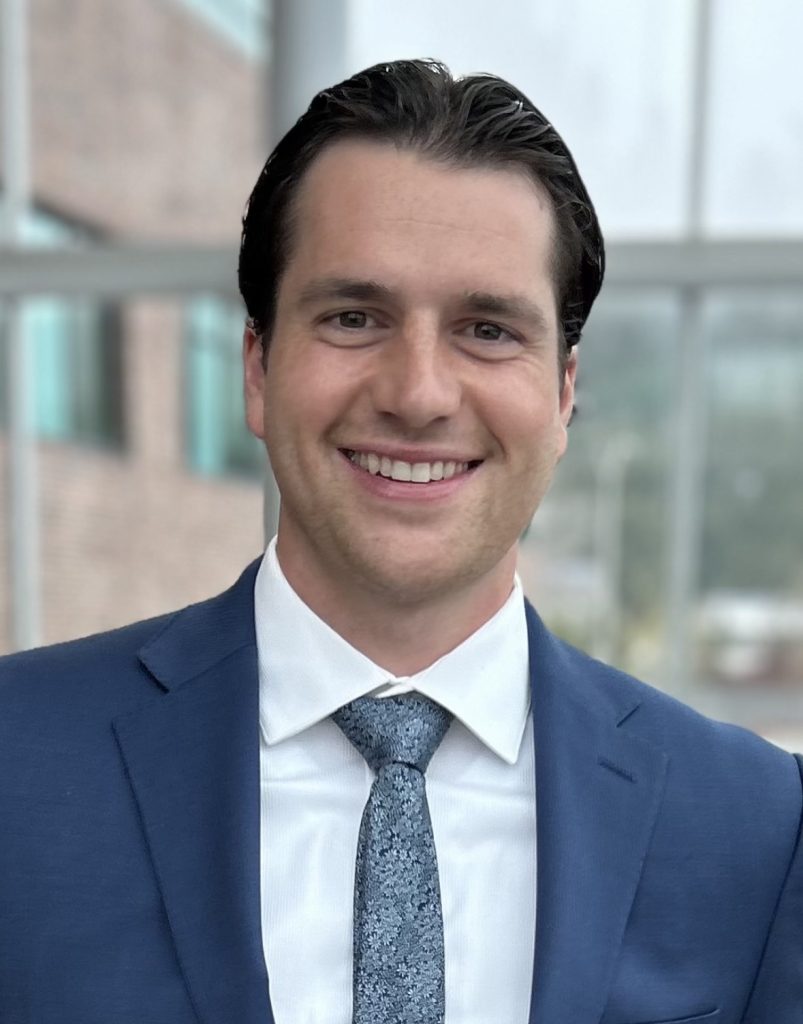
Our relatively small size is definitely one of our strengths – it provides close attention for our trainees while fostering an environment that makes cooperation and collaboration habitual, as they are completely essential to success of both individuals and the team in our training environment. Combined with the absence of fellows, the fact that even our junior residents are one-on-one with faculty during the day, and on-call, means our residents receive personalized feedback and become comfortable in the operating room, and out, very quickly. Our faculty and resident members are collegial and unified in their goal to provide exemplary care and to advance the skills and knowledge of all team members through cooperation; this is easily seen through the interactions in both professional and social settings.
Our program structure lends itself well to CBD principles. Our faculty members are best described as general orthopedic surgeons with subspecialty interests, and this reflects how we train our residents. In fact, the program has long employed a gradual progression of responsibility in a manner similar to what we now refer to as CBD, and as such, the day-to-day approach to teaching and assessment will remain the same. Trainees will be exposed in a “longitudinal” fashion to common bread and butter pathology and procedures continuously over the course of training. More complex subspecialty focus will vary, depending on the supervisor a resident is rotating with. Residents will have the opportunity to work in all subspecialty areas over the course of training.
Yes. It is commonplace for residents from all Canadian orthopedic programs to complete a fellowship after residency is complete, and ours is no exception. While we have had occasional graduates proceed into community practice directly from residency, the majority of our graduates complete fellowship training of their choice. Our graduates have almost always secured fellowships of their first choosing – most remain in Canada, but some have travelled to the United States, the United Kingdom and elsewhere for subspecialty training.
Our division has an excellent relationship with the Clinical Epidemiology program at Memorial University, having had a number of our residents complete a diploma or Master’s degree during the course of their five-year residency. It should be noted that residents who wish to undertake this challenging endeavor should consult and receive approval from the Program Director, as the trainee should not jeopardize performance in their residency program by taking on additional work.
