


Dr. Bobby Yanagawa
Directeur(trice) du programme
Julie Wei
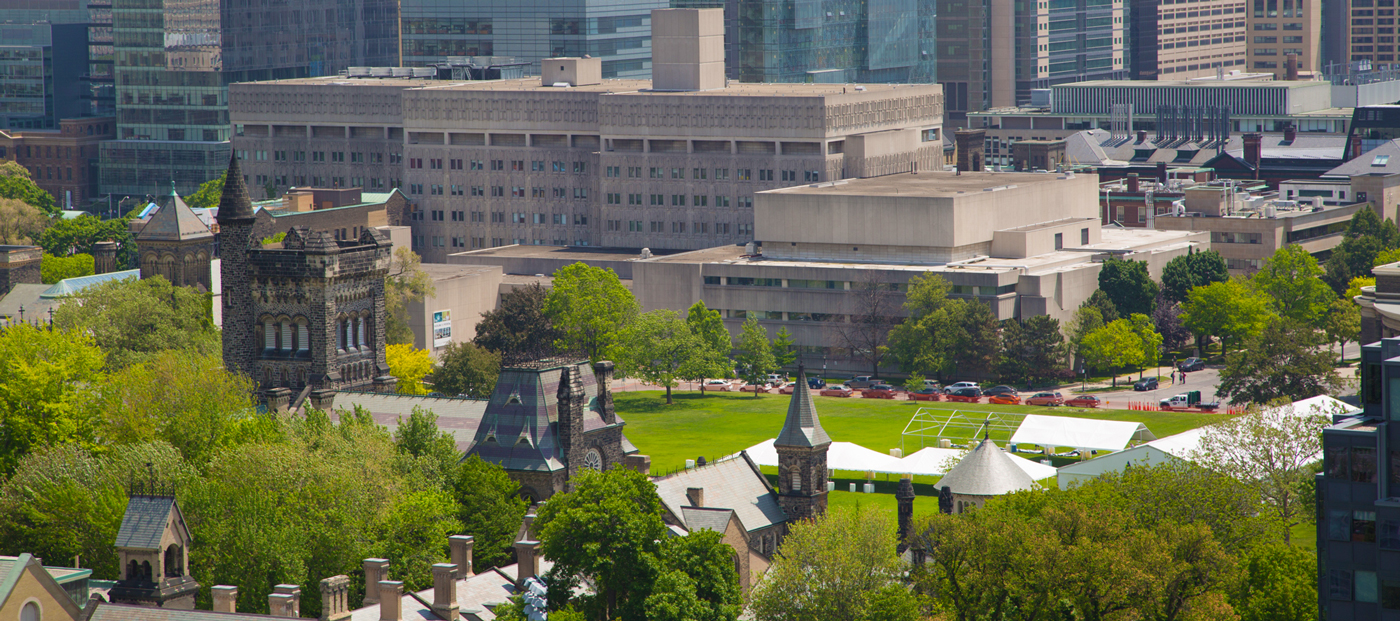
The cardiac surgery residency program at the University of Toronto is the largest and perhaps most diverse of its kind in Canada. Our vision is to ensure excellence in clinical and academic training of our Residents. We aim to prepare tomorrow’s leaders in Cardiac Surgery. Our training Program is home to approximately 50 faculty members, over 5 teaching hospitals. We offer outstanding opportunities to engage in research activities. Our faculty members are highly invested in Residency Training and many are opinion leaders in their own subspecialty area. Under the leadership of Dr Terry Yau (Chair) and Dr. Bobby Yanagawa (PD) the Program provides a rich environment for learning and enquiry. The University of Toronto teaching hospitals provide surgical care for a large urban population as well as patients from a vast catchment area and referral network. This arrangement provides outstanding learning opportunities and a breadth of clinical volume that is unsurpassed almost anywhere in North America.
Visit our website.
Ontario | |||
|---|---|---|---|
Effective July 1, 2025 | |||
PGY1 | $73,367.35 | ||
PGY2 | $79,669.97 | ||
PGY3 | $85,564.01 | ||
PGY4 | $92,700.65 | ||
PGY5 | $98,566.96 | ||
PGY6 | $104,167.39 | ||
PGY7 | $109,250.12 | ||
PGY8 | $115,826.24 | ||
PGY9 | $120,082.47 | ||
Professional Leave | 7 working days/year Additional time off provided for writing any CND or US certification exam, leave includes the exam date and reasonable travel time to and from the exam site. Additional RCPSC & CFPC Certification Examination Prep Time
|
Annual Vacation | 4 weeks |
Meal Allowance | Non |
Frequency of Calls | 1 in 4 In-hospital, 1 in 3 home |
Pregnancy Leave | 17 weeks |
Parental Leave | 35 weeks, 37 weeks if resident did not take pregnancy leave |
Supplemental Unemployment Benefit (SUB) Plan | Top-up to 84% 27 weeks for women who take pregnancy and parental leave; 12 weeks for parents on stand-alone parental leave. |
Provincial Health Insurance | Oui |
Extended Health Insurance | Oui |
Provincial Dues (% of salary) | 1.3% |
Dental Plan | 85% paid for eligible expenses |
CMPA Dues Paid | Under current arrangements, residents are rebated by Ministry of Health and Long Term Care for dues in excess of $300. |
Long-Term Disability Insurance | Yes – 70% of salary, non-taxable. |
Statutory and Floating Holidays | 2 weeks leave with full pay and benefits; 10 stat days plus 1 personal floater. Residents are entitled to at least 5 consecutive days off over the Christmas or New Year period, which accounts for 3 statutory holidays (Christmas Day, Boxing Day and New Years Day), and 2 weekend days. |
Life Insurance | Yes, 2x salary |
Salary and Benefit Continuance | A resident that can’t work due to illness or injury will have salary and benefits maintained for 6 months or until end of appointment (whichever occurs first) |
Call Stipend | Regular: $127.60 in-hospital; $63.80 home call or qualifying shift on shift-based services. Weekend premium: $140.36 in-hospital; $70.18 home call or qualifying shift on shift-based services. |
Updated January 6, 2025
Visit the PARO website.
www.myparo.ca

Although academics is a strong focus of the Cardiac Surgical Training Program at the University of Toronto, prior research experience is not a prerequisite for acceptance. However, evidence of academic productivity or potential may lend support to a candidate’s application. All trainees are expected to undertake at least one year (preferably two or three) of academic enrichment during the training program. This may be either clinical or research based.